Estonia
Estonia - Transition to Estonian-medium Education
The Transition to Estonian-medium EducationI was invited to visit Estonia for the week of 15-22 November 2026 around 18 months before by the Estonian Language Institute. So, I set about teaching myself Estonian in preparation thinking how hard could it be?’
Estonian, like all languages, has patterns, rules, roots, quirks and curios that make it a fascinating learning experience! Today, we all carry a personal tutor in our pocket too!
Day 1 - Book Launch
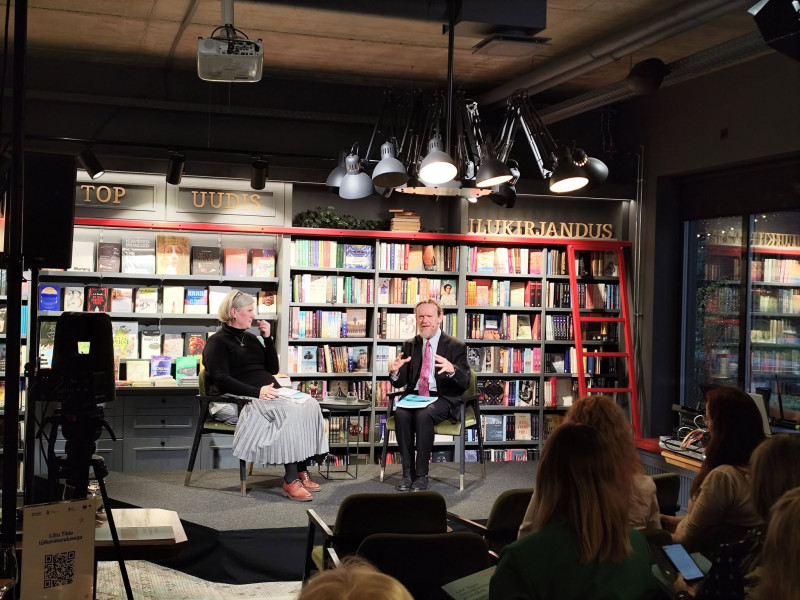
Book launch, Literaat Bookshop and Restaurant Tallinn.
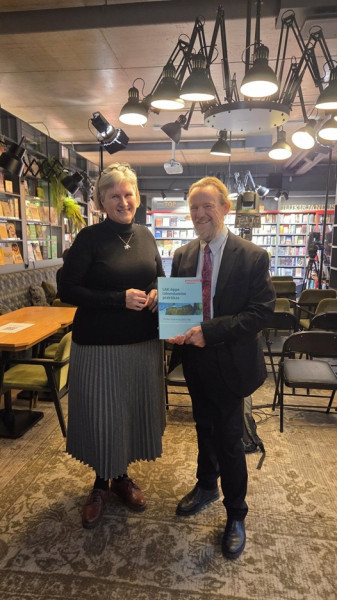
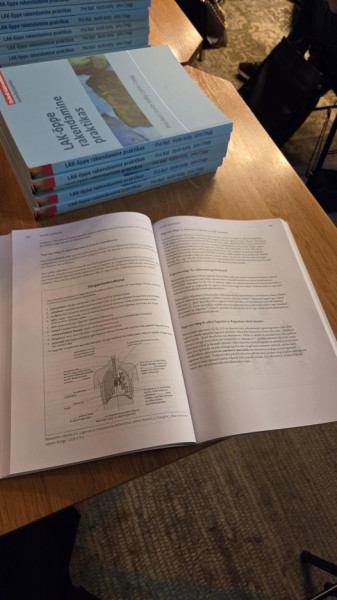
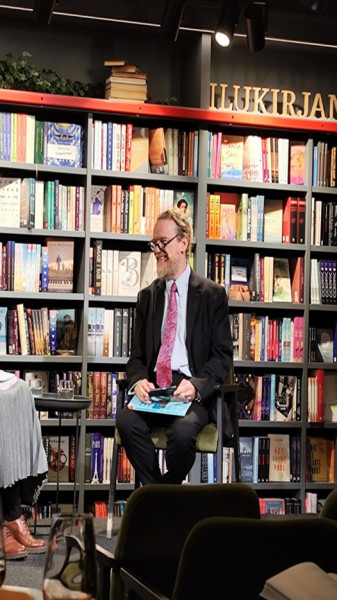
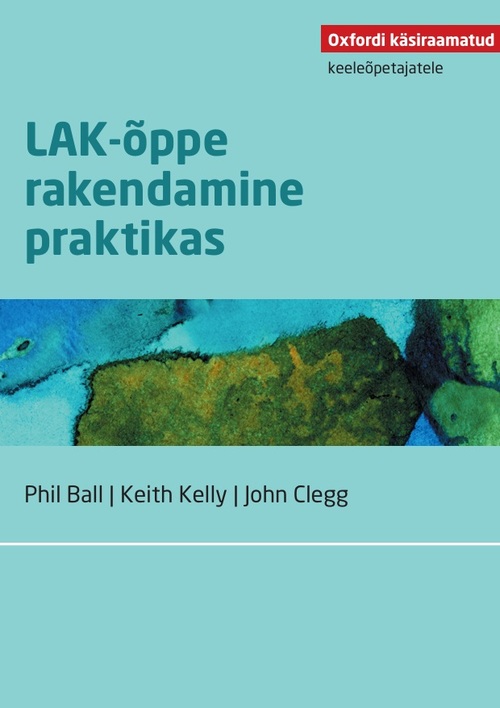
What a lovely surprise to be in a bookshop for the book launch. It’s ten years since OUP brought out our book Putting CLIL into Practice, and it was the perfect setting. I shared good wishes from John and Phil with the audience, in short wishing the initiative well, and happy that our creation could contribute in some small way. Arnu Parts, dear colleague and collaborator, interviewed me about the book, and there were many questions from the audience, which I’m told means that it went well as lots of people interacted.
As a food - The book is a vegetable casserole with lots of fresh produce and something for everyone.
As a drink – The book is a pot of mixed herb tea, gathered from the forest and hot off the stove to warm you.
The Estonian Language Institute recorded the discussion which is available in YouTube:
https://www.youtube.com/watch?v=RHqeoDAVv28
We can frame it here for viewing.
Day 2 - Materials developers workshop – Guiding through Input
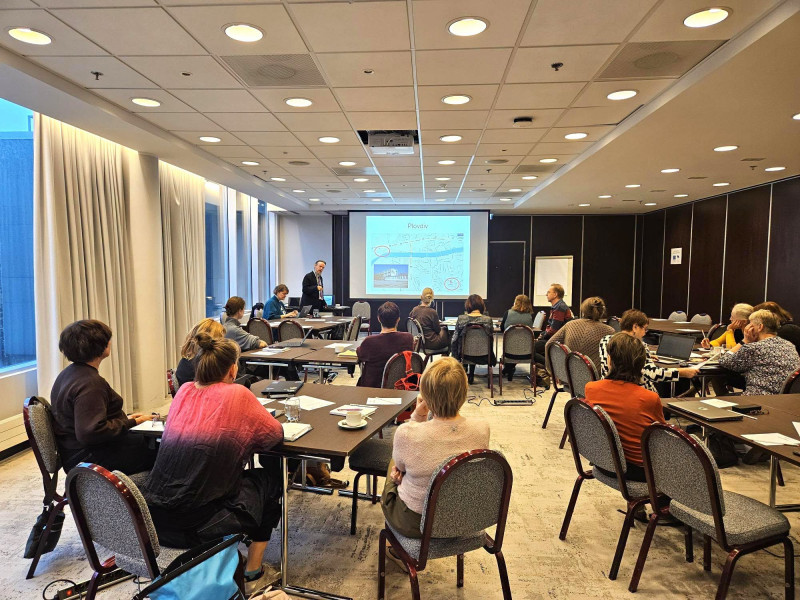
These were all publishers, authors, materials writers, trainers and teachers all involved in Estonian as a second language teaching and learning materials.
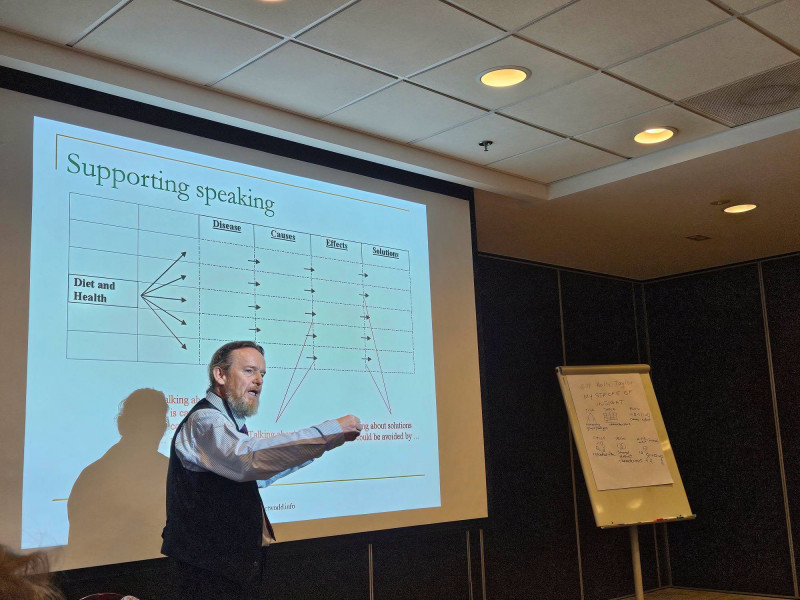
Our focus was guiding learners through input content materials, be they text or other media-based. A central principle is that all concepts have shapes, and that identifying that shape and exploiting it for reading, watching, listening where learners use the conceptual structure to process the input content (and then subsequently making use of the same shape to support output) is what CLIL is all about.
Slides - https://tinyurl.com/5xz4xxvm

Day 3 - Masterclass – Support Learner Output
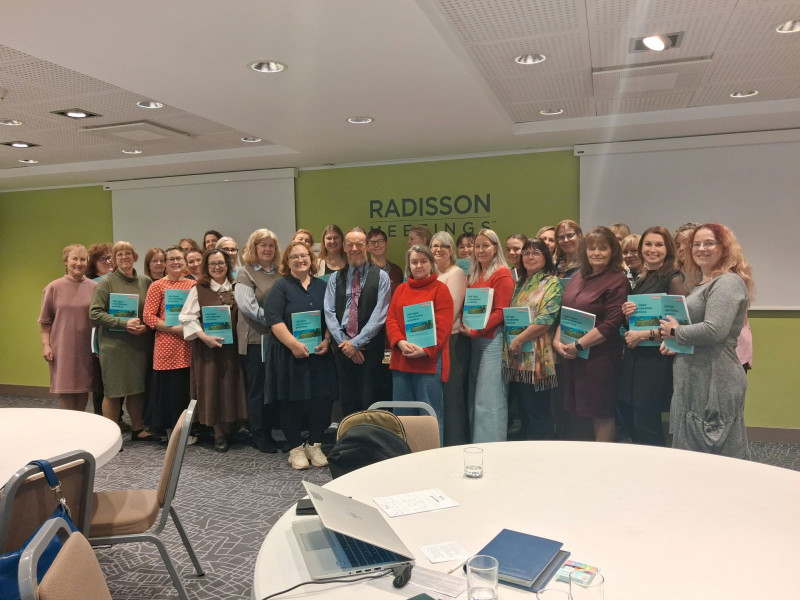
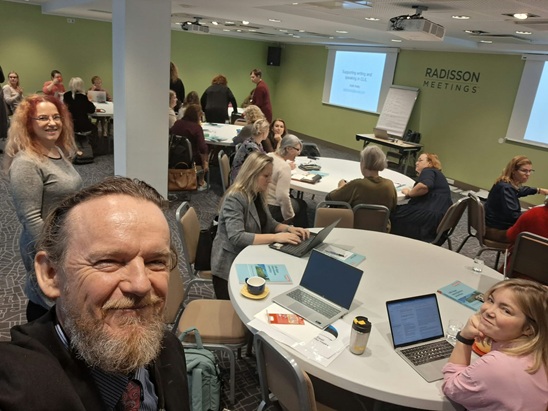
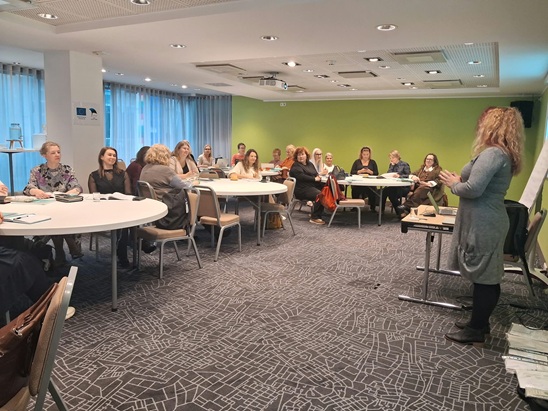
Today we brought together senior teachers, trainers, managers, and school principles for a CLIL Masterclass with a focus on ‘supporting learner output’ in spoken and written language. There were essentially two 90 minute input sessions from me, with brainstorm, drafting time in between and one of the colleagues had the inspired idea that we create a Google Drive folder dedicated to resources we create at this event, so that everyone could see what others have produced.
Additionally, I have agreed to lead a two-hour webinar in follow-up to this event in early December where colleagues will report back on trying out the ideas in their classrooms/workshops.
Slides - https://tinyurl.com/2c6x7bnj
Day 4 - Estonian Language Institute Annual Conference Plenary: Putting CLIL Into Practice – The How
The transition to Estonian learning conference "Every teacher counts" was a two-day conference which brought together over 300 teachers all working in developing the Estonian language. I was honoured to be invited to give the keynote presentation on the first day and was asked to focus on practical aspects of Putting CLIL into Practice.
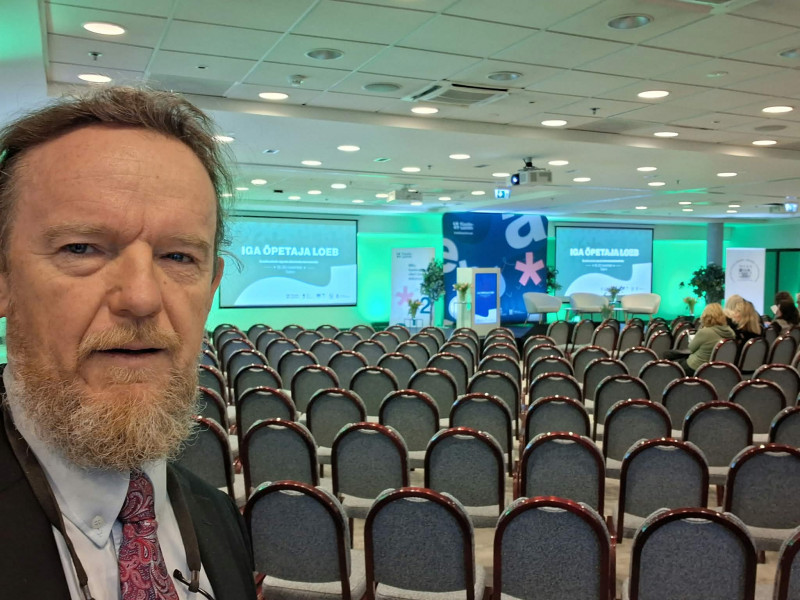
I titled my talk Putting CLIL into Practice – The How. There was a lot to say, so I decided to place my conclusions up on the screen right at the start and then work in examples which reach for the goals in the conclusions.
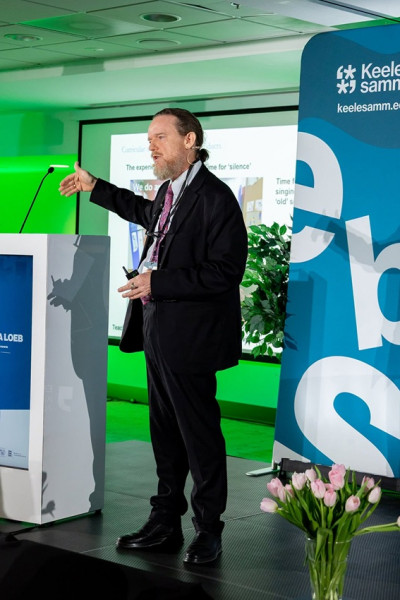
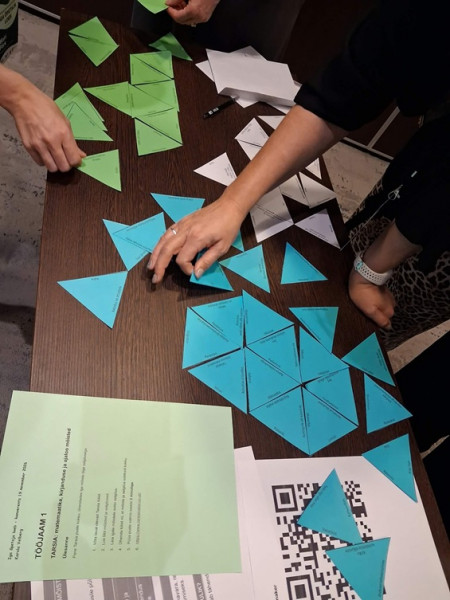
The conference is recorded, and my hour-long plenary starts around 01.43.00 at this link (though I don’t know for how long is will be archived there).
https://worksup.com/app/?fbclid=IwY2xjawVuMztleHRuA2FlbQIxMABwZG9mBWJyaWQRMXlVYUpXUGlDS1RGY09KTWJzcnRjBmFwcF9pZBAyMjIwMzkxNzg4MjAwODkyAAEfwS6YuuJVfWCARy-NXstWokCyZ82dpfty3KtxYlJ316t-DuQhD7Ixj8HIFEg_aem_zOAQmErHIB49Gj97Yc32Rw#/event/KEELESAMM2026/agenda/plan
Day 5 - Estonian Ministry of Education discussion on transition to Estonian and CLIL
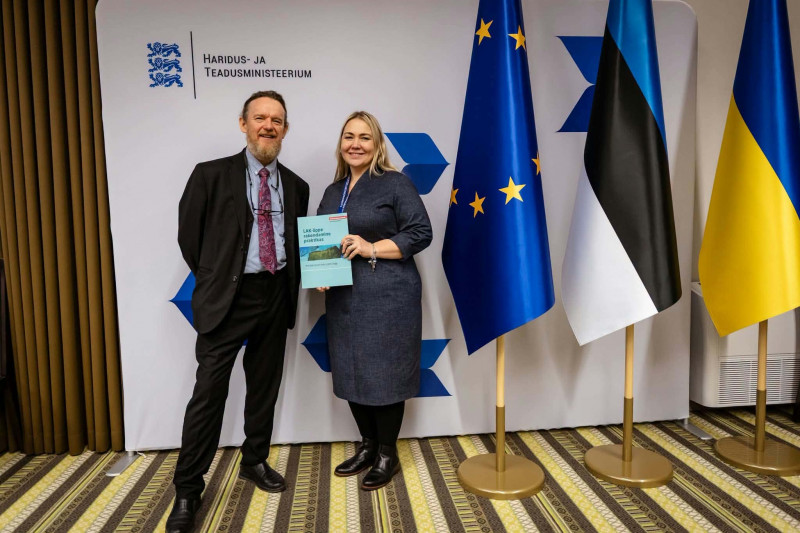
The week was concluded with a meeting at the Estonian Ministry of Education for a discussion with a group of colleagues on the transition to Estonian as a medium of education, focusing on what CLIL could do to help.
There are many experiences and examples in many countries, successes and less successful. Coop CLIL from the Austrian context brings together a language teacher and a subject teacher from the same school to trainings where they get to learn about CLIL, share ideas with each other, and plan how to cooperate in teaching through another language. Raising awareness among the subject teaching community of the role of language in the learning of the subject is crucial for the success of any second language learning initiative.
Estonia has a lot of resources already available to schools and teachers, and one of them is the School Bag :
https://e-koolikott.ee/et?fbclid=IwY2xjawVuOaZleHRuA2FlbQIxMABwZG9mBWJyaWQRMXlVYUpXUGlDS1RGY09KTWJzcnRjBmFwcF9pZBAyMjIwMzkxNzg4MjAwODkyAAEfzybFhtB_Yi3_S4ygp3WZkgxwh5CyIM6hWT7Esy3NlViX03AoBIg8piNjwLc_aem_fFHSP4JCfoM5BnGDNz5wxw
Many thanks to Helna Karnu at the Ministry of Education for the warm welcome and hospitality, and for hosting the discussion.
This is a challenging yet inspiring move by the government in Estonia. The school system needs all the support it can muster to make the transition as smooth and as successful as possible.
If anybody can do it well, the Estonians can!
Keith (26.11.21)
There is a PS.
I was invited to visit classes of subjects being taught through the medium of Estonian at one of the Freedom Schools in Tallinn and I saw two maths, one art, and one chemistry lesson with Ukrainian teens all learning through Estonian.
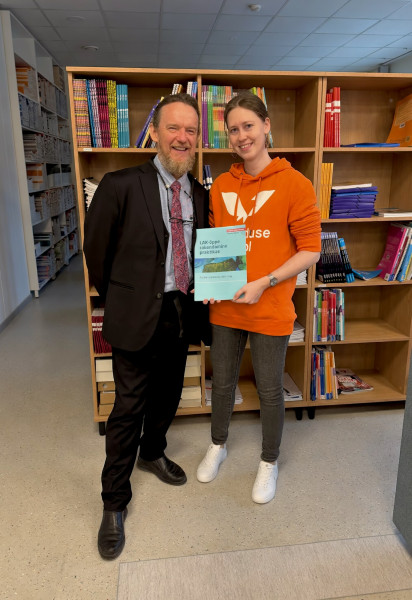
Many thanks to Kriste for making this happen!
I have the utmost respect for all involved, and saw some quite astonishing moments of learning. I recognize what a challenge it must be for both teachers and learners, but what they / you are doing is quite wonderful. Keep it up!